Entrepreneur | Scientist | Truth Seeker | Traveler of Consciousness | Modern Yogi | Bridger of Fields | Simulated Being |
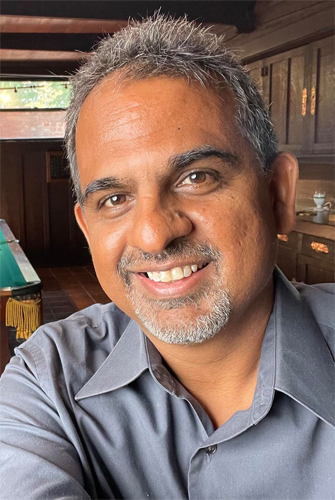
Riz Virk
RIZWAN VIRK is a graduate of MIT and Stanford, and a successful entrepreneur, video game pioneer, film producer, venture capitalist, and computer scientist. He was the founder of Play Labs @ MIT and is currently doing a PhD and teaching classes at both the College of Global Futures and the Fulton Schools of Engineering @ Arizona State University.
He is the bestselling author of books such as The Simulation Hypothesis: An MIT Computer Scientists Shows Why AI, Quantum Physics and Eastern Mystics Agree We Are in a Video Game; Treasure Hunt: Follow Your Inner Clues to Find True Success, Zen Entrepreneurship, and his latest release, Wisdom of a Yogi: Lessons for Modern Seekers from Autobiography of a Yogi.
Riz Virk is currently also a venture partner at Griffin Gaming Partners, one of the leading video game VC funds in the world, and has invested in many successful startups including Discord, Theta Labs, Upland and Tapjoy. His startups have created software used by the Fortune 500, and they have created video games played by millions, including Tap Fish and games based on Game of Thrones, Star Trek, The Walking Dead, Grimm and Penny Dreadful.
zenentrepreneur.com
Follow him @rizstanford
My 10 Best
(In no particular order)
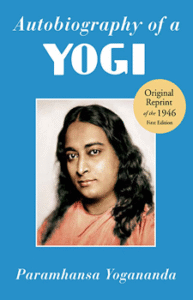
Autobiography of a Yogi
This book influenced me in many ways, but was particularly inspiring as I began my own journey of meditation and spiritual growth. The stories of miracles and magic from swamis in the Himalayas were super memorable, and I never forgot them. It also was interesting to me that people like Steve Jobs were big fans of the book. Yogananda’s explanations about suffering and light, how the world was like a movie, was an analogy that influenced me, as was his ability to bridge the East and West, not just religions but also ways of thinking. I re-read the book every few years and Harper Collins India invited me, on the 75th anniversary of the book, to write up the lessons from a modern perspective, and I wrote my book, Wisdom of a Yogi: Lessons for Modern Seekers from Yogananda’s Autobiography of a Yogi.

Saved by the Light
This account of a full NDE was my first introduction to the 360-degree, panoramic holographic Life Review, where you review every event in your life, but from the perspective of other people. This opened my mind to the whole NDE experience, but also provided me with a perspective on the “meaning of life” and why we are here. Later, for me it provided a bridge to simulation theory, as well as a bridge between different religious traditions like Islam and Hinduism.

Super-Learning
One of the first spiritual books I read, this book influenced me greatly in high school, and opened my mind that yogic techniques of breathing could be used to alter our state. Although I was never able to memorize thousands of words in an hour or two like they stated, the exercises and understanding of the mind/body connection was instrumental to my spiritual growth. In fact, the simplest pranayama, or rhythmic breathing exercise I learned then has stayed with me, even as I’ve learned other techniques and I think it is my most basic spiritual practice.

A Soul’s Journey
This book gave me a detailed view of what out of body experiences and the afterlife might look like. It also was very inspiring to hear a tale of someone in South Africa who was able to go “from the turret” and fly out of their body to London and see their dead relatives. This is one of my favorite books providing a map of the astral world.
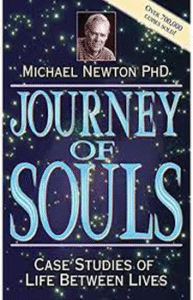
Journey of Souls
This book opened my mind to the possibility of life between life and the idea that we plan our lives, and that we have different paths we can take in life. This played into my ideas about the world being a simulation, and a potential multiverse with multiple timelines. This book also validated for me where feelings of deja vu and other synchronicities and clues, which were the basis for my book, Treasure Hunt, might actually come from—beyond the physical world.

Take off Your Glasses and See
This is a great book not only about natural vision improvement, but about how stress affects the body and the energy field. This is a spiritual book hiding inside a natural health book, about living life effortlessly. This book taught me that our thoughts and emotions are not just mental – they live in the body, and has served as a bridge between Buddhist and Hindu ideas of karma and thought-forms with holistic health ideas.
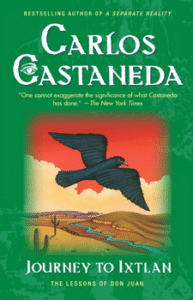
Journey To Ixtlan
While Castaneda has become controversial, there is no doubt that he was hugely influential to the baby boomer generation, and even appeared on the cover of Time Magazine as the “godfather” of the new age movement. For those of us in GenX, we were deluged with Castaneda references by the boomers, who we often learned from and studied with. To this day, his books remain one of the more interesting and inspiring (and confusing) accounts of spiritual mentorship. However, this book, and the Art of Dreaming, were the two Castaneda books provided some concrete lessons, quite out of line with the rest of his books. These taught me to think about dreaming and the dream world in a whole different way.
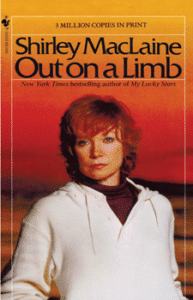
Out on a Limb
I originally watched the mini-series based on this book, and then later read the book. What amazed me was how Shirley lived a double life – by day (and night) she was a prominent Hollywood actress and dancer; by day and on weekend she was off exploring things like talking to channelers and exploring past lives. Not only was this the first time I saw an OBE, but the book itself has become a metaphor for my adult life, where I’ve lived a double life – entrepreneur and venture capital investor and scientists by day, while jetting off to explore consciousness and different spiritual traditions at night and on weekends.

DreamGates
Robert Moss was a mentor of mine, and I first encountered him through this book, which gave accounts of locales in “non-ordinary” reality that you could “travel” through shamanic journeying. Between this book and Conscious Dreaming, which outline Robert’s methods for working with dreams, I learned to work with my dreams, and more importantly, gained confidence that we can travel into non-ordinary reality, and validate results by doing “group travel”.

Lucid Dreaming
This book showed me there were modern ways to study ancient ideas around “dream yoga” and introduced me to the idea that we could “wake up” inside the dream. Combined with Castaneda’s more esoteric The Art of Dreaming, these books got me into lucid dreaming and realizing that there was more to reality than what we see when we are awake.