
Writer |
Derek Thompson
Derek Thompson writes novels, short fiction, and occasionally some comedy material. He has been interested in self-development and the esoteric for around 40 years. (I gulped when I read that number back.) He wrote a magical fiction novel, Covenant, which is based around aspects of the Western Mysteries and includes pathworking meditations. Even he doesn’t understand everything in it.
His books live here:
UK — https://www.amazon.co.uk/Derek-Thompson/e/B0034ORY08
US — https://www.amazon.com/Derek-Thompson/e/B0034ORY08
My 10 Best
(In no particular order)
Illusions
Who hasn’t sometimes wished they could meet a great spiritual teacher? In my late teens, Illusions inspired me both as a well-told spiritual story and as a metaphor for finding your own truth. It’s a book that I get something different from, every time I read it. That might be why it’s the book I’ve loaned or given away more than any other.
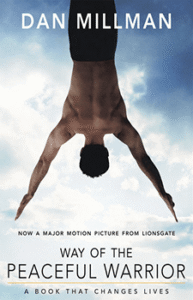
Way of the Peaceful Warrior
I read this book in New York and then travelled to California, partly to attend one of Dan’s workshops. (I wasn’t disappointed!) This is a book about ‘everyday wisdom,’ discipline, and living with a clear sense of purpose. As for the answers, we’ll pick them up on the journey—and often through the most unexpected circumstances.

Psychic Self-Defense
Dion Fortune was a leading light in the Western Mysteries in the first half of the 20thcentury, bringing together psychology and magic, defining the latter as “…the art of causing changes to take place in consciousness in accordance with will…” She wrote practical books on the occult as well as including occult themes in her fiction. Many people feel they have experienced ‘psychic attack’ or encountered ‘dark forces’. For me, this was one of the first books to discuss those subjects as pathology, and offer ways to address them.
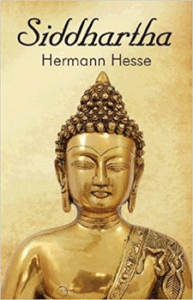
Siddhartha
This story will be familiar to those interested in Buddhism. It’s a beautifully written tale about a search for enlightenment that shows excerpts from the protagonist’s life and what he learns from them.
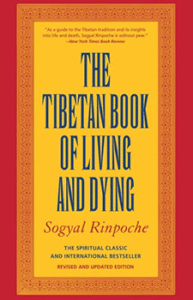
The Tibetan Book of Living and Dying
There are oodles of works on higher realms and ways of detaching ourselves from daily existence. Instead, this book confronts our mortality, supporting the dying, and navigating bereavement. It is a rich source of information and inspiration. I wasn’t surprised to learn that Elizabeth Kübler-Ross had encouraged the author to create this book.
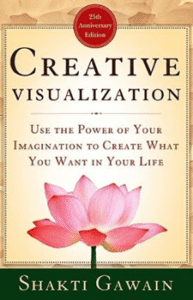
Creative Visualization
Shakti’s book was one of the first I encountered that made a direct link between our inner world of imagination, feelings, and core beliefs with how we experienced the world. This book provides exercises and instruction to empower the reader to bring about transformation in their lives. Most importantly, it allows us to reclaim that responsibility.

The Underworld Initiation
The author brings together the threads of different traditions (Christian, Faery, Wicca) into a scholarly work that takes time to digest. What we find is commonality and a central message: we often ignore the Underworld yet it is both a source of power and a cauldron of renewed growth, rich with archetypes that we neglect to our detriment. It’s refreshing to be encouraged to reach downward as well as upward!

Winged Pharaoh
A magical tale of ancient Egypt, this book was classified as fiction and later accepted as a reincarnation autobiography. Regardless of which category you’d place it in, it’s a great read!

The Crone
I received this book as a gift and it opened my eyes to the way that politics and spirituality can intersect. There are many works on the sacred feminine, but this book stood out for me because it tapped into that third aspect of the Goddess that doesn’t always get equal attention.
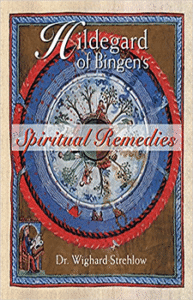
Hildegard of Bingen’s Spiritual Remedies
This is a remarkable book for several reasons. Firstly, Hildegard lived in the 1100s. Secondly, she experienced visions from a very young age so her spirituality is very much based on personal experiences. Thirdly, she was a devout Christian, who saw no conflict between what we might think of as orthodox Christianity and a decidedly mystical approach. The remedies relate to physical and metaphysical dis-eases that fall far outside the realms of the church.